


Part 1: The Real Cost of Gold
The material supply chains that underpin our economy are consuming a significant – and ever‑increasing – share of our global carbon budget. Materials like polymers and plastics, fibres and textiles, and metals and minerals are essential to modern life, yet they exact a heavy price in both economic and environmental terms.
In a series of posts, we will look at the impact of these materials and explore the novel technologies offering scalable, robust solutions to decarbonise our world.
To start the series, we’re looking at gold. Crucial to the functioning of our modern world- electronics, aerospace, medicine and dentistry all rely on gold for circuit boards, switches, connectors, satellite components, medicinal compounds and dental fillings. And while each smartphone we buy may only contain tens of milligrams of gold, with billions of smartphones in the economy, the stocks of gold locked up in products and waste materials are quietly increasing year on year.
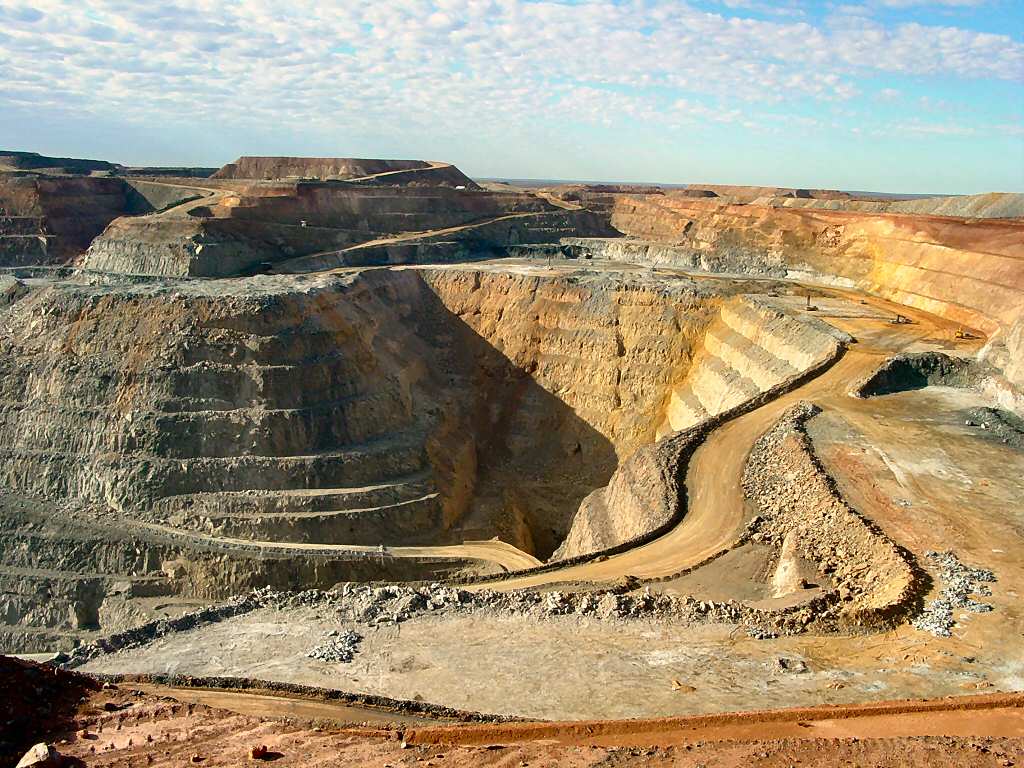
Gold mining is incredibly energy intensive. To produce a single standard gold bar (400 troy oz or 12.4 kg), anywhere between 5,000 and 10,000 tonnes of rock may need to be moved, depending on the ore grade. This process typically requires roughly 1.5–3.5 terajoules (TJ) of energy per bar. That’s approximately equivalent to the annual electricity consumption of about 100–300 average UK homes for each bar of gold produced. And that’s just the direct energy.
Gold mining also relies on a lot of energy‑intensive resources and materials (steel, chemicals, cement, tyres, explosives) as well as heavy machinery (trucks, excavators, mills). Industry data suggest that around half of production costs for a typical gold mine are effectively energy‑related – either direct fuel and power or the embedded energy in inputs like reagents and consumables – meaning that roughly 50% of the mine’s total production cost is controlled by direct energy costs.
Then there are the chemicals.
Mining for gold isn’t just blasting rock; it also requires chemicals throughout the process. Ammonium nitrate is used to create powerful explosives for blasting through rock; sodium cyanide is used to dissolve and separate gold from crushed ore; lime is added to stabilise the potentially lethal cyanide; and nitric and sulfuric acids appear in different parts of refining and downstream processing.
These chemicals are often described as “frozen energy” because they are so energy intensive to produce. Industry estimates suggest that up to around 75% of the cost of sodium cyanide is bound up in energy. Lime production requires extreme heat in large kilns, with energy accounting for about 65–70% of its price. Blasting explosives are made mostly from fuel‑based materials, giving them an energy exposure of more than 80%. Even refining acids depend on high‑temperature, fossil‑fuel‑driven processes. Taken together, a large share – often cited at around 70% – of a mine’s operating costs can ultimately be traced back to energy- direct and embedded.
And ultimately, there’s the cost in terms of natural capital and biodiversity loss.
Both large‑scale and artisanal gold mining drive deforestation, especially in tropical forests; globally, gold and coal together account for just over 70% of mining‑related deforestation between 2001 and 2019. From 2001 to 2020, mining activities were responsible for the loss of about 1.4 million hectares of forest cover, of which roughly 450,000 hectares occurred in tropical primary rainforests – among the most carbon‑dense and biodiverse ecosystems in the world. Add to this the chemicals used in gold mining, which often end up contaminating rivers and wetlands, killing aquatic life and toxic materials such as mercury bioaccumulating in food webs.
From a natural‑capital perspective, gold mining frequently converts high‑value, multifunctional ecosystems into simplified or degraded landscapes, and many losses – such as old‑growth forest structure and endemic species – are effectively irreversible on human timescales.